Why Smart Thermostats Might Not Always Save You Money
While smart thermostats are marketed as energy-saving miracles, they don’t guarantee lower bills for every home. Here’s why:
System Compatibility Matters
Older HVAC systems (pre-2010) often lack the variable-speed technology needed to maximize the benefits of smart thermostats. Without proper integration, you might see minimal savings despite the tech investment.
User Behavior is Key
A 2023 study found that 40% of smart thermostat owners override programmed settings daily, negating potential savings. The real value comes from consistent use of scheduling features, which many homeowners abandon after the novelty fades.
Hidden Costs Add Up
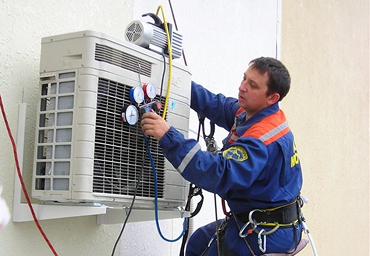
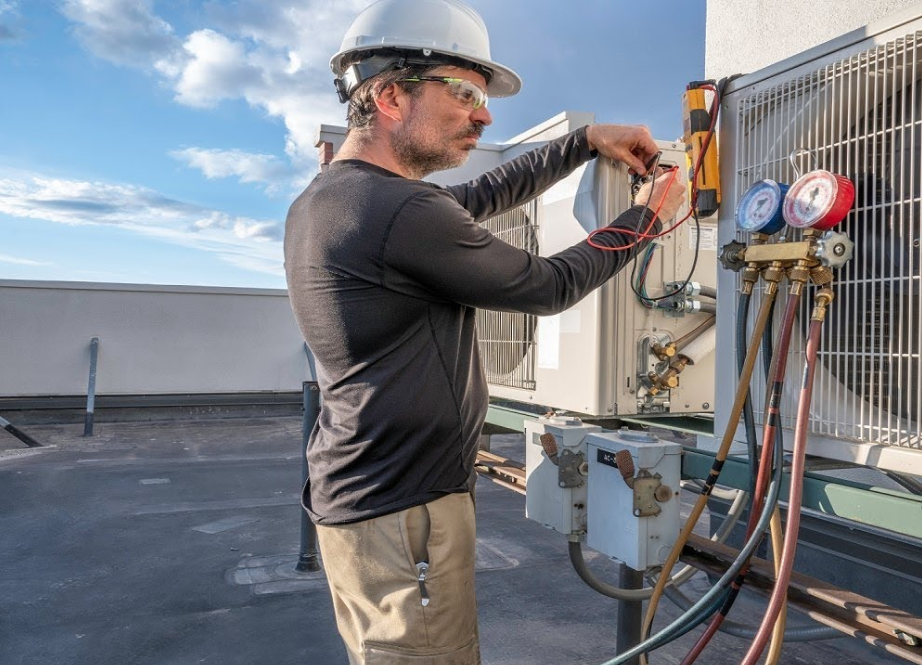
Professional installation (required for optimal performance) can cost 150−150−300. That money might be better spent on sealing upgrades for homes with duct leaks or poor insulation.
When They Shine
Smart thermostats work best in homes with:
- Newer variable-speed HVAC systems
- Consistent daily schedules
- Zoned heating/cooling
Pro Tip: Ask an HVAC pro to assess your system’s compatibility before upgrading. Sometimes, a well-programmed basic thermostat performs just as effectively.